Drinking Water Filters
Water Filter Jug vs Tap Water: Is Filtering Worth It in the UK?
The honest starting point in any water filter jug vs tap water debate is that UK tap water is already safe to drink. The Drinking Water Inspectorate monitors more than 50 parameters and reports compliance rates consistently above 99.9 per cent, so a filter jug is not fixing a safety problem for the vast majority of homes. What a jug changes is taste, a bit of limescale, and your exposure to a few specific things people increasingly care about. Whether that is worth the ongoing cost of cartridges is the real question, and the answer depends on where you live and what bothers you about your water.
So this is not “filtered is safe, tap is not.” Both are safe. It is about whether the improvements a jug makes are worth paying for in your house.
What UK tap water already gives you
UK tap water is among the highest quality in the world. It is treated, chlorinated to keep it safe through the pipe network, and tested against dozens of parameters, with national compliance sitting above 99.9 per cent. That chlorine is exactly what keeps it microbiologically safe, but it is also the main reason some people dislike the taste, particularly in tea and coffee. The regulator, the Drinking Water Inspectorate, publishes the figures that back this up.
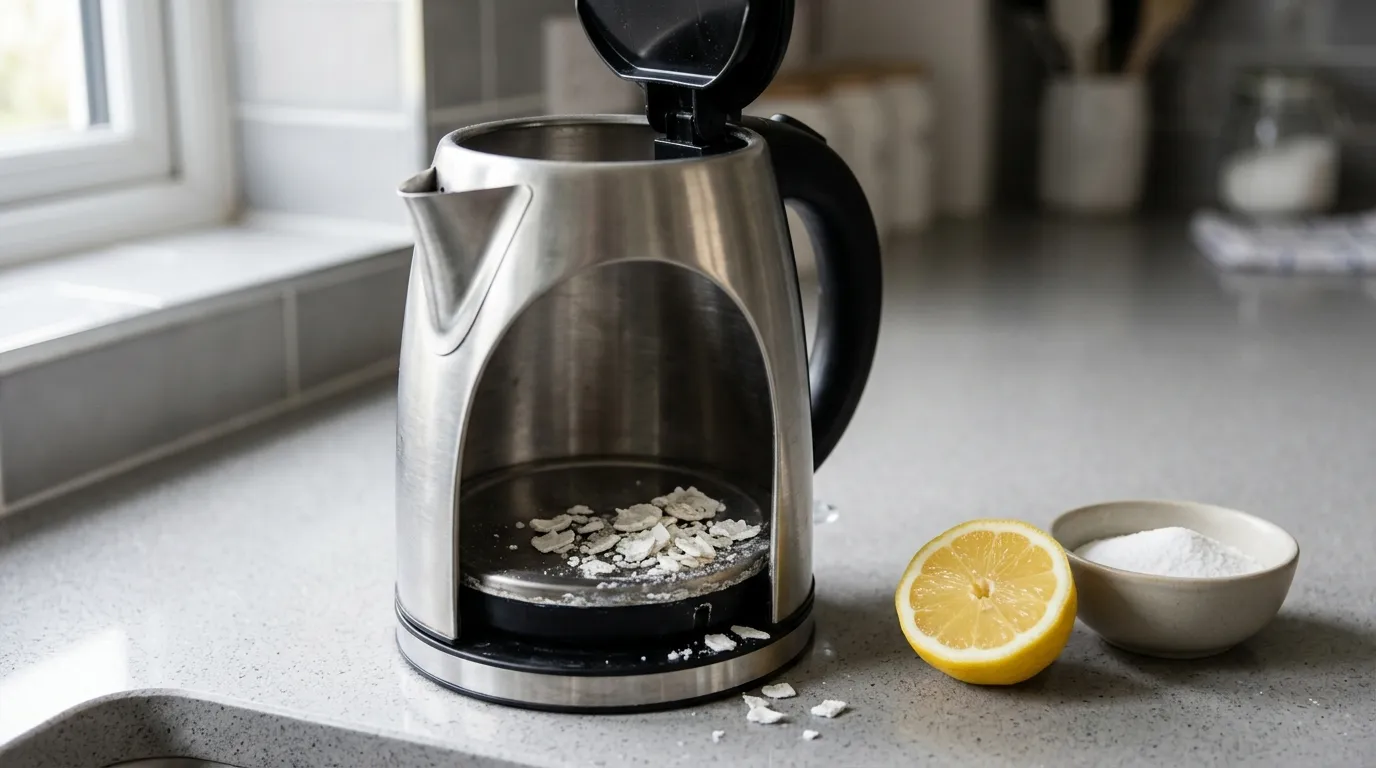
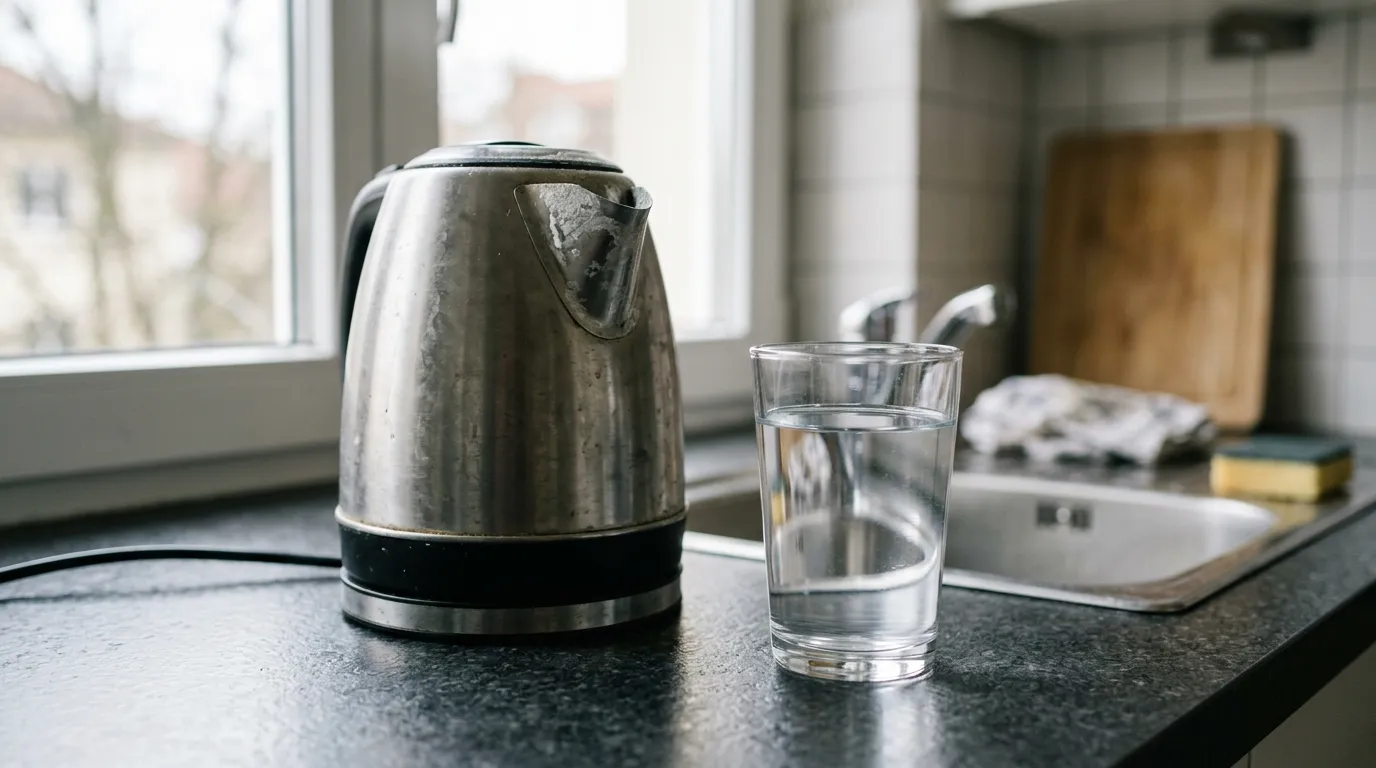
The one genuine variable is hardness. In hard water areas the water is perfectly safe but leaves limescale in kettles and on taps, and that is where a lot of jug interest comes from. You can check your own supply with our water hardness by area guide.
What a filter jug actually removes
A jug cartridge, of the Brita type, does a specific job well. It is very good at removing chlorine, which is the single biggest improvement most people notice, because it makes tea, coffee and cold water taste cleaner. Beyond taste, the activated carbon and resin also reduce lead and some heavy metals, and modern cartridges reduce some emerging contaminants such as PFAS and microplastics, while deliberately leaving beneficial minerals like calcium and magnesium in the water.
That combination, better taste plus a reduction in a few things people would rather not drink, is the honest case for a jug. It is a modest, real upgrade, not a transformation.
What a filter jug does not do
This is where expectations need managing. A jug does not soften your water and it does not eliminate limescale. It reduces scale build-up, and a limescale-focused cartridge can cut it meaningfully in hard water, but you will still get scale in your kettle, just more slowly. If your goal is scale-free water throughout the house, a jug is the wrong tool; that job belongs to a water softener.
It also does not make unsafe water safe. UK tap water is already compliant, so a jug is an improvement on something that is already fine, not a rescue. And crucially, the filtered water is only clean while the cartridge is fresh. A neglected, past-its-date cartridge does little and can even harbour bacteria, so the running cost and the discipline of changing it on time are part of the deal.
The real cost and convenience trade-off
The economics are straightforward. A jug is cheap to buy, but the cartridges are the ongoing cost, and they need replacing roughly monthly depending on use and hardness. Over a year that adds up, so the question is whether the taste improvement and reduced scale justify it for you. Filtered water in the fridge is also less convenient than the tap: you have to keep the jug topped up and remember to change the cartridge.
For many households the sweet spot is practical rather than absolute: use a jug for drinking water and hot drinks where taste matters most, and accept you will still descale the kettle occasionally, just less often. If you want zero limescale everywhere or the highest possible purity, that points to a softener or a reverse osmosis system instead.
So, is a filter jug worth it?
It is worth it if you dislike the taste of your tap water, live in a hard water area and want to slow scale in your kettle, or specifically want to reduce contaminants like lead or PFAS in your drinking water. It is not worth it if your tap water already tastes fine to you and your main goal is protecting the whole house from limescale, because a jug cannot do that. For a lot of people the answer is a qualified yes: a low-cost, noticeable improvement to what comes out of the tap, as long as you keep the cartridge fresh.
Frequently asked questions
Is filtered water better than tap water in the UK? Not in terms of safety, since UK tap water already meets strict standards with over 99.9 per cent compliance. A filter jug improves taste by removing chlorine and reduces some contaminants like lead and PFAS, so it is “better” for flavour and peace of mind rather than for making unsafe water safe.
Does a water filter jug remove limescale? It reduces limescale but does not remove it. A jug, especially a limescale-focused cartridge, slows scale build-up in hard water, so your kettle furs up more slowly, but you will still get some scale. Only a water softener or reverse osmosis system removes hardness properly.
What does a Brita-type filter jug actually remove? It removes chlorine, which improves taste, and reduces lead, some heavy metals, and emerging contaminants such as PFAS and microplastics, while keeping beneficial minerals like calcium and magnesium. It also reduces, but does not eliminate, limescale.
Is it worth buying a water filter jug in the UK? It is worth it if you dislike your tap water’s taste, live in a hard water area, or want to reduce specific contaminants, as long as you factor in the cost of replacing cartridges roughly monthly. If your water already tastes fine and you mainly want whole-house limescale protection, a jug is not the right solution.
How often should I change a filter jug cartridge? Most cartridges need changing about once a month, though this varies with how much water you use and how hard it is. Changing it on time matters: an old cartridge filters poorly and can harbour bacteria, so the ongoing cost and discipline are part of choosing a jug.