Water Softeners
How Much Does a Water Softener Cost to Run in the UK?
A typical ion-exchange water softener in the UK costs roughly £50 to £150 a year to run for a family of four. That figure breaks down into three parts: salt (the largest cost), a small amount of electricity, and a little extra metered water used during regeneration. Most households spend more on salt than on the electricity and water combined.
The exact cost depends on how hard your water is, how many people live in the house, and which type of softener you have. Below is what each part actually costs and how the numbers are worked out, so you can estimate your own running cost rather than guess from a headline figure.
The three things a water softener actually costs you
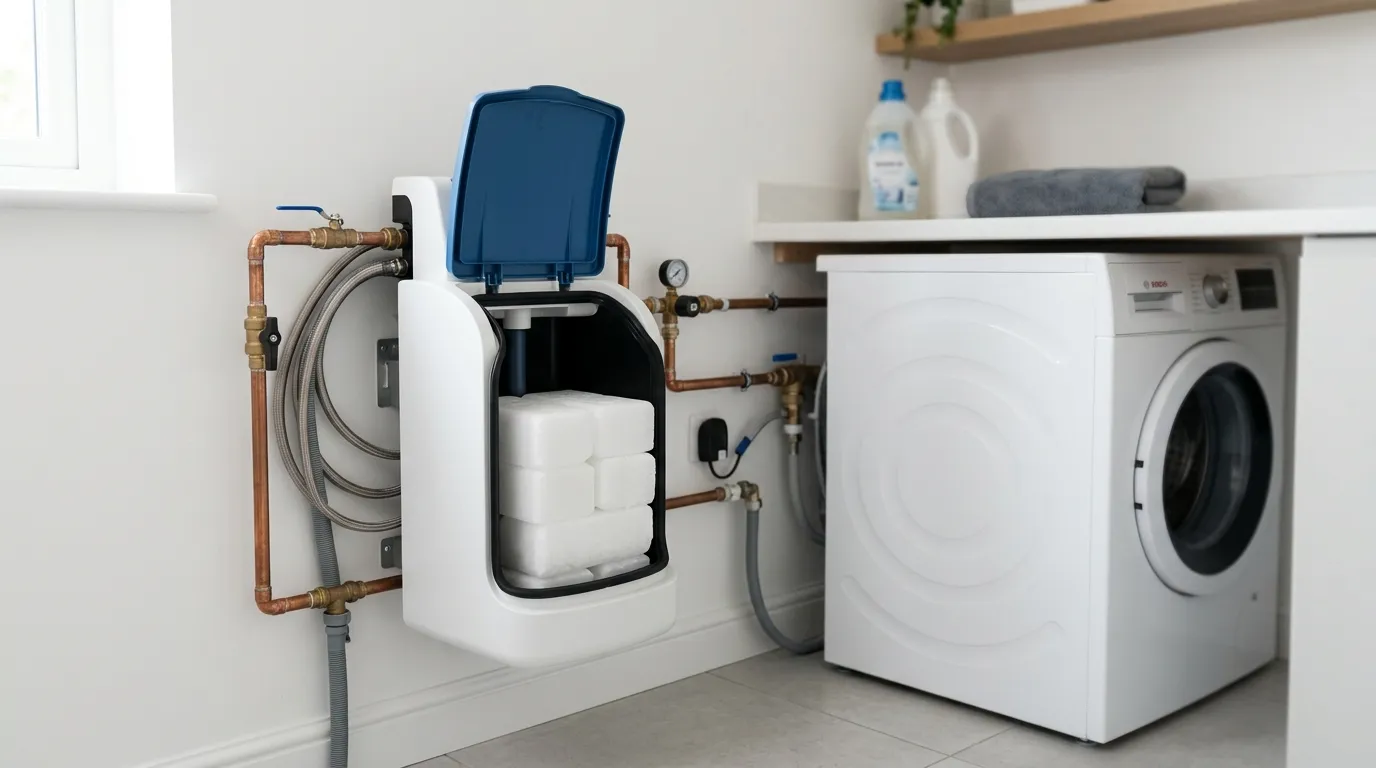
An ion-exchange softener works by passing your mains water through resin beads that swap hardness minerals (calcium and magnesium) for sodium. When the resin is full, it cleans itself by flushing brine through, a process called regeneration. That cleaning cycle is what creates the three ongoing costs.
| Cost | What drives it | Rough annual range (family of four) |
|---|---|---|
| Salt | Water hardness, household size, softener efficiency | The biggest share of running cost |
| Electricity | Controller and valve motor during regeneration | A few pounds a year |
| Extra metered water | Volume flushed to drain per regeneration | A small amount, often a couple of pounds |
Salt: the main running cost
Salt is where most of your money goes. As a guide:
- A 2-person household uses around 4 x 25kg bags a year (about 100kg)
- A 4-person household uses around 6 x 25kg bags a year (about 150kg)
- A 6-person household uses around 8 x 25kg bags a year (about 200kg)
Block-salt machines such as the Harvey and Kinetico twin-cylinder type use compact 4kg or 8kg blocks instead, and a smaller home might get through roughly two dozen 4kg blocks across a year.
Two things push salt use up. The first is water hardness: harder water exhausts the resin faster, so the unit regenerates more often. The second is softener type. A metered (demand-initiated) softener only regenerates when it has actually treated a set volume of water, so it uses salt in line with what you use. An older timer-controlled unit regenerates on a fixed schedule whether you need it or not, which wastes salt during a quiet week or a holiday.
Granular, tablet and block salt all do the same chemical job. Granular and tablet salt suit most cabinet softeners and tend to cost less per kilogram; block salt is tidier to handle and bridges less in the brine tank but usually costs more per kilo. Check your manufacturer’s manual before switching, because not every machine is designed for block salt.
Electricity: smaller than people expect
An electric softener’s controller sips power. Typical units draw around 20 to 50 watts only while the valve motor runs during regeneration, which is roughly once every other day for an hour or two. Across a year that is in the region of 70 kWh, so the electricity cost lands in single figures of pounds for most homes. The standby draw the rest of the time is comparable to a digital clock.
Non-electric softeners (the twin-cylinder block-salt designs) use the pressure of your incoming mains water to drive regeneration, so they have no electricity cost at all. That removes one line from the running cost, though salt and water still apply.
The extra water used during regeneration
Regeneration flushes brine and rinse water to the drain. A domestic cycle uses on the order of tens of litres each time, often quoted around 17 litres per regeneration for a common cabinet unit, though larger and timer-based units use more. If you are on a water meter, that extra usage shows on your bill, but it is small next to total household consumption such as baths, showers and the washing machine. Most UK households see only a marginal increase in metered water from a softener, and a demand-initiated unit keeps it lower than a timer model because it regenerates only when needed.
What offsets the running cost
Running costs are only half the picture. Softened water removes the limescale that quietly raises your other bills:
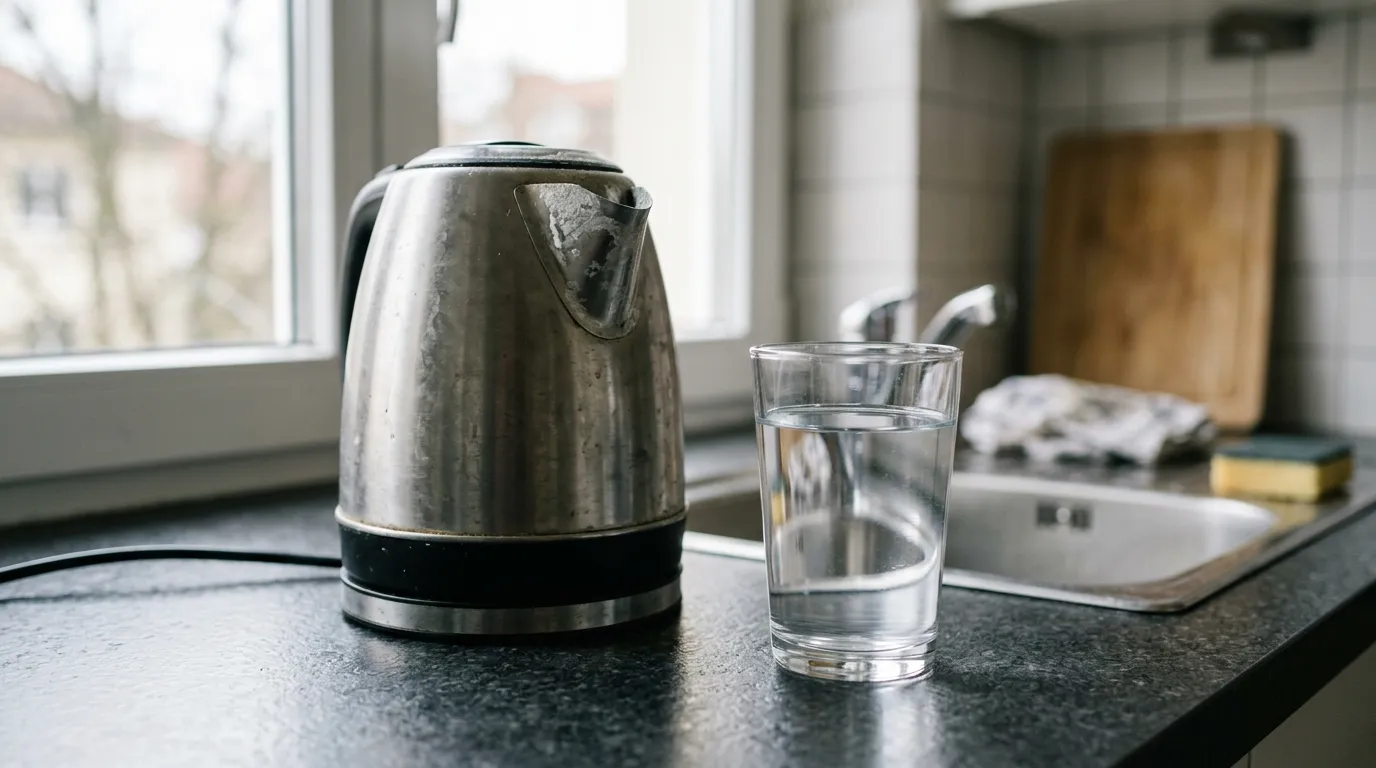
- Heating efficiency. Scale acts as an insulator on heating elements and boiler surfaces. The Carbon Trust has found that around 1mm of scale can increase the energy needed to heat water by about 7%, and British Water estimates roughly a 12% efficiency loss at around 1.6mm of scale. Keeping elements scale-free protects that efficiency.
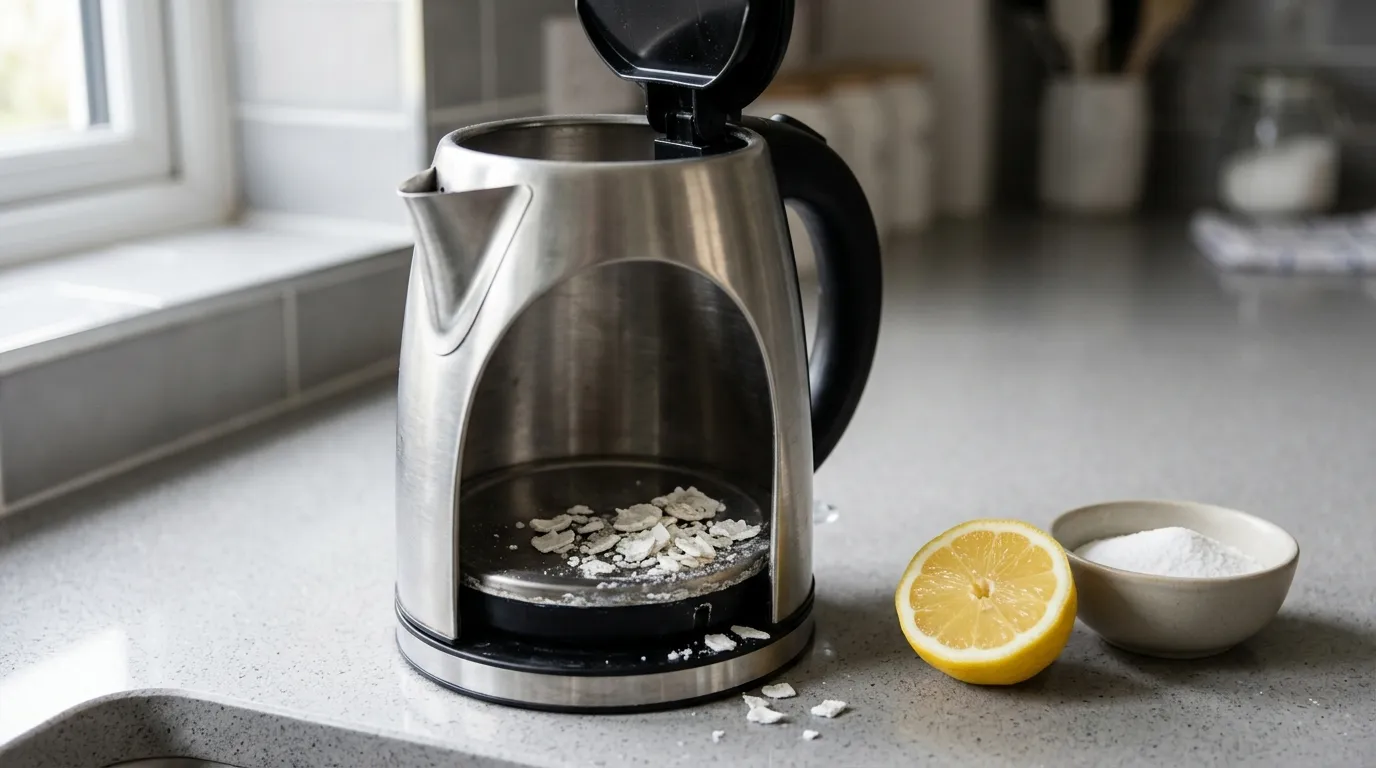
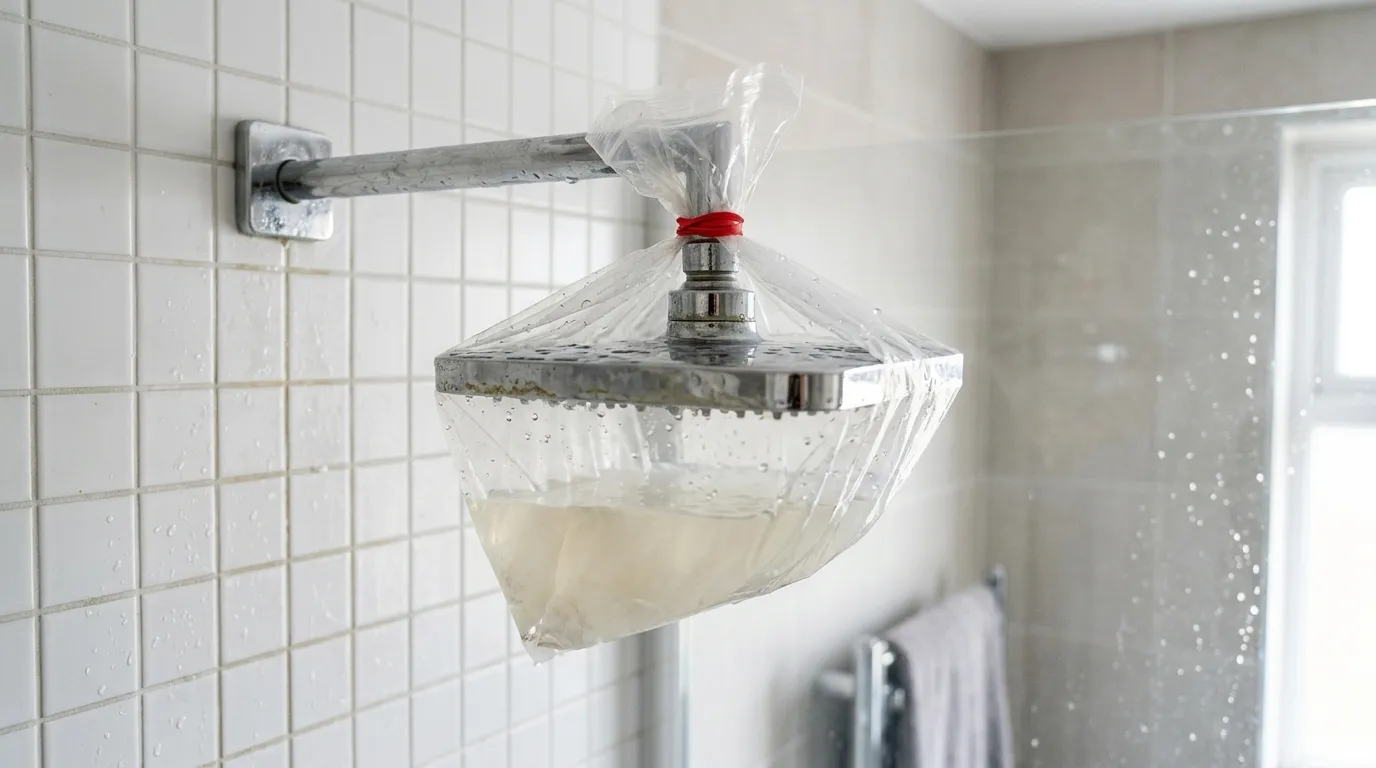
- Less detergent and fewer products. Soft water lathers with far less soap, shampoo, washing powder and dishwasher salt, and you stop buying descaler for the kettle, shower head and coffee machine.
- Longer appliance life. Boilers, immersion heaters, washing machines, dishwashers and showers all last longer without scale clogging them, which delays repair and replacement costs.
These savings vary a lot by household, but in a genuinely hard-water area they often cover the cost of salt several times over.
How to keep running costs down
- Choose a metered/demand-initiated softener rather than a timer model, so it only regenerates when it needs to.
- Set the hardness correctly for your area. Overstating hardness makes the unit regenerate and use salt more often than necessary. You can check your supply hardness with your water company or via the Drinking Water Inspectorate.
- Buy salt in bulk and keep the brine tank topped up but not overfilled.
- Service the unit per the manufacturer’s schedule so the resin and valve keep working efficiently.
For a sense of how hard your local supply is, our guide to UK hard water areas covers the regional picture, and if you are weighing up the whole decision see are water softeners worth it.
A note on drinking softened water
The Drinking Water Inspectorate advises keeping at least one hard (unsoftened) tap in the kitchen for drinking and cooking. Ion-exchange softeners replace hardness with a small amount of sodium, which matters for anyone on a low-sodium diet and for feeding infants. This is a plumbing point rather than a running cost, but it is worth getting right when the softener is installed.
Frequently asked questions
How much does a water softener cost to run per year in the UK? For a family of four, expect roughly £50 to £150 a year all in, with salt making up most of it and electricity and extra water adding only a few pounds each.
How much salt will my water softener use? A two-person home uses around 100kg a year, a four-person home around 150kg, and a six-person home around 200kg. Harder water and timer-controlled units push this higher.
Do water softeners use a lot of electricity? No. An electric softener draws about 20 to 50 watts only during regeneration, roughly 70 kWh a year, which is a few pounds. Non-electric block-salt softeners use no electricity at all.
Will a water softener increase my water bill? Slightly if you are metered, because regeneration flushes water to drain, often in the region of 17 litres per cycle. It is small compared with normal household use, and demand-initiated units keep it lower than timer models.
Is block salt or granular salt cheaper to run? Granular and tablet salt usually cost less per kilogram and suit most cabinet softeners. Block salt costs more per kilo but is cleaner to handle and bridges less. Use whichever your manufacturer specifies.
Can I drink softened water? Keep a hard tap in the kitchen for drinking and cooking. The Drinking Water Inspectorate advises this because softened water contains added sodium, which is a concern for low-sodium diets and infant feeding.