Limescale & Hard Water
Does Hard Water Damage Your Boiler? What Limescale Really Costs
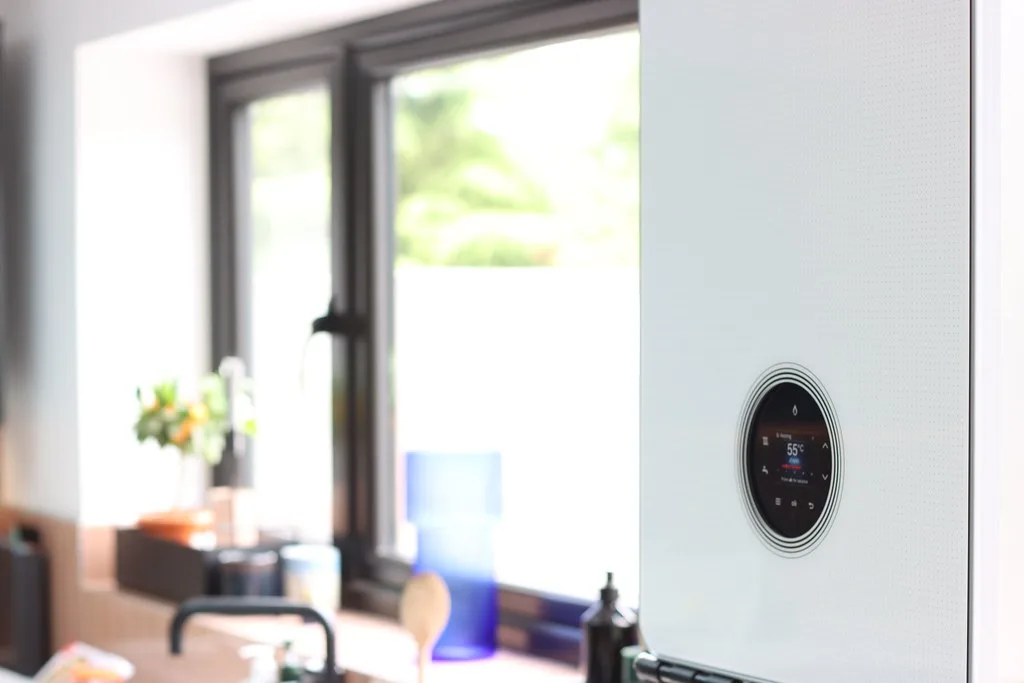
If you live in a hard-water part of the UK, the question does hard water damage your boiler has a short answer: yes, slowly and expensively. Hard water carries dissolved calcium and magnesium, and every time it is heated some of that mineral drops out as limescale, a hard, chalky deposit of calcium carbonate. Inside a boiler that scale builds on the very surfaces designed to transfer heat, and the effect is a boiler that costs more to run every year and wears out sooner. This guide explains exactly what limescale does to a boiler, how to spot it, and how to protect the one you have.
How limescale attacks a boiler
The damage is not dramatic; it is a slow tax. Limescale conducts heat around 400 times less effectively than the copper it coats, so even a thin layer acts like a blanket between the flame and the water. As scale builds on the heat exchanger, the boiler has to burn more gas to push the same amount of heat through it.
The numbers are significant. British Water estimates limescale can cut a boiler’s efficiency by as much as 12%, and a scale layer just a sixteenth of an inch thick around the heating surfaces can raise fuel costs by up to 15%. That is money leaving your account every month for heat that never reaches your radiators or taps.
Combi boilers are especially vulnerable because their heat exchangers have narrow waterways that scale up quickly, restricting flow and concentrating the damage.
The warning signs
Limescale rarely announces itself until it is well established. Watch for:
- Kettling: a rumbling, whistling or banging noise, like a kettle coming to the boil. It happens when scale traps water against a hot surface until it flashes to steam. Kettling is the classic sign of a scaled-up heat exchanger and it accelerates wear.
- Longer heat-up times and hotter running: the boiler working harder and cycling more to reach temperature.
- Fluctuating hot water: a combi that runs hot then cold at the tap can have scale narrowing its waterways.
- Rising energy bills with no change in how much heat you use.
If you already hear kettling, do not ignore it. A scaled heat exchanger left long enough can crack, and a heat exchanger is one of the most expensive parts of a boiler to replace.
What it actually costs
The cost of hard water on a boiler comes in two forms. The first is the steady efficiency loss, more gas burned every year for the same warmth, which quietly adds to bills across a whole heating season. The second is the shortened lifespan: a boiler fighting scale runs hotter and cycles more, so components fail earlier and you replace the whole appliance sooner than you should. A boiler is a four-figure purchase, so bringing forward its replacement by a few years is the biggest hidden cost of all.
How to protect your boiler in a hard-water area
You cannot un-harden the water already in the system, but you can stop new scale forming:
- Fit a water softener. A softener removes the calcium and magnesium before they reach the boiler, which is the most complete protection and also benefits your taps, kettle and appliances. Our guide to how a water softener works explains the process, and softener versus filter covers which you actually need.
- Consider a scale inhibitor or electronic scale reducer on the mains if a full softener is not an option; these are cheaper but less complete.
- Have the system power-flushed if scale and sludge have already built up, then fit protection so it does not return.
- Book an annual boiler service. A good engineer will spot early kettling and scaling before it becomes a heat-exchanger bill.
- Know your water hardness. If you are not sure how hard your supply is, our guide to testing water hardness at home is the place to start.
Manufacturers take this seriously too: Viessmann’s guidance on limescale in boilers sets out the hardness thresholds at which they recommend treatment, and fitting protection can be a condition of some warranties in hard-water areas.
Frequently asked questions
Does hard water damage your boiler? Yes. Heating hard water deposits limescale on the heat exchanger and heating surfaces, which reduces efficiency by up to around 12%, causes kettling, and shortens the boiler’s life. The effect is gradual but costs money in higher bills and earlier replacement.
What is kettling and is it caused by hard water? Kettling is the rumbling or whistling noise a boiler makes when limescale traps water against a hot surface until it turns to steam. In hard-water areas it is usually caused by scale on the heat exchanger, and it signals the boiler is under strain.
Will a water softener protect my boiler? Yes. A water softener removes the calcium and magnesium that form limescale before the water is heated, which is the most effective way to prevent new scale in the boiler and the rest of your plumbing. Some manufacturers recommend or require treatment in very hard-water areas.
How much does limescale cost me each year? It varies with how hard your water is and how scaled the system has become, but the combination of lost efficiency and a shorter boiler lifespan makes it a meaningful annual cost. Even a thin layer of scale can raise heating fuel use by a noticeable margin.
Can I remove limescale that is already in my boiler? Not with household descalers, which are for kettles and taps. An existing build-up in the heating system needs a professional power-flush or chemical clean, after which fitting a softener or scale inhibitor prevents it returning.