Water Softeners
What a Water Softener Bypass Valve Does and When to Use It
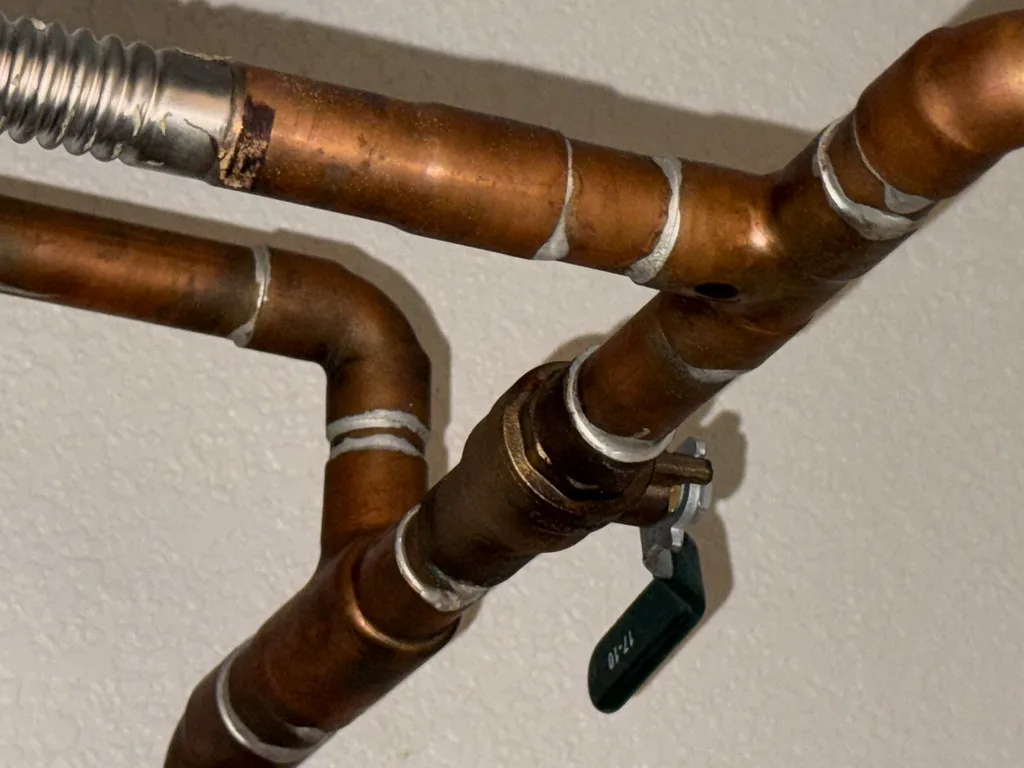
A water softener bypass valve is the small but important fitting that lets water flow around your softener instead of through it, so the rest of the house keeps running while the softener is isolated. Most people never think about it until the softener leaks, needs servicing, or they are heading off on holiday, and then it becomes the single most useful control on the unit. This guide explains exactly what the bypass valve does, the situations where you should use it, and how to set it without cutting off water to the whole house.
What a water softener bypass valve does
Your softener sits in the incoming water line. Water normally flows in, passes through the resin tank where hardness minerals are exchanged for sodium, and leaves as softened water. A bypass valve gives that water a second route: a channel that skips the resin tank entirely and sends untreated hard water straight through to the house. When the bypass is open, your taps still run, but the water is temporarily hard again because it never touched the softening resin. The moment you close the bypass, water goes back through the softener as normal. In short, it is an on/off switch for softening that does not turn off your water. If you want the full picture of what it is bypassing, our guide to how a water softener works explains the ion-exchange process.
When to use the bypass
There are a handful of situations where the bypass earns its keep:
- Repairs and servicing. If the softener is leaking, faulty or being serviced, put it in bypass to isolate it. Your household water keeps flowing while the unit is worked on or waits for a part.
- Holidays and empty homes. Bypassing and isolating the softener before you leave for a while removes one more potential source of a leak or, in winter, freeze damage, and keeps the softener from cycling needlessly.
- Garden and outdoor use. Softened water is not ideal for the garden, so if your outside tap is fed after the softener you can bypass it when watering plants or filling a pond. More often the outside tap is plumbed off before the softener, but the bypass covers you if not.
- Troubleshooting. If you suspect a problem is coming from the softener, bypassing it is a quick way to rule the unit in or out: if the issue disappears on hard water, the softener is involved.
One thing it is not for: leaving on permanently. Hard water builds scale in pipes and appliances, so use the bypass as a temporary measure and switch softening back on once you are done.
How to set the bypass valve
The exact method depends on the valve type, so check your softener’s manual, but two designs cover most UK units.
Single-handle bypass: turn the handle in the direction of the arrows (usually clockwise) until it stops. That is bypass mode. To return to softening, turn it the opposite way until it stops. It is a simple, positive movement, hard to get wrong.
Three-valve bypass (inlet, outlet and bypass): this is common on UK installations. To bypass, close the inlet and outlet valves and open the bypass valve; to return to normal, open the inlet and outlet and close the bypass. UK manufacturer Harvey Water Softeners sets out the exact quarter-turn sequence for their units, and the principle is the same across most three-valve setups: never leave the inlet and outlet shut without the bypass open, or you will cut water to the house.
Turn valves gently and slowly. Old valves can be stiff, and forcing a seized handle is how they crack. If a valve will not move by hand, do not lever it; that is a job for a plumber.
A quick safety check
Before you rely on the bypass in an emergency, find it and test it once while everything is working. Know which handle is which, confirm it moves, and make sure you can get softened water back afterwards. Discovering a seized bypass valve at the moment your softener is spraying water across the utility room is a bad time to learn how it works. If you are still choosing a unit, ease of bypassing is one of the small things worth checking; our roundup of the best water softeners in the UK notes how each handles servicing.
The bottom line
The bypass valve is your softener’s safety valve in the practical sense: it lets you isolate the unit for repairs, holidays or hard-water tasks without ever losing water to the house. Use it whenever the softener needs to be out of the loop, set it correctly for your valve type, and always return to softened water afterwards so scale does not creep back into your pipes. And if you have wondered whether the hard water coming through the bypass is safe to drink, our guide on drinking softened water answers the related sodium question.
Frequently asked questions
What does a water softener bypass valve do? It lets water flow around the softener’s resin tank instead of through it, so the house still gets water but that water is temporarily hard. It effectively switches softening off without switching off your water supply.
When should I put my water softener in bypass? Use bypass for repairs or servicing, when the softener is leaking, before holidays or long absences, and for garden or outdoor use where softened water is not wanted. It should only ever be temporary, not a permanent setting.
Will I still have water if I bypass the softener? Yes. That is the point of the bypass. Water continues to flow to your taps, it is simply unsoftened (hard) while the bypass is open, so you can isolate the softener without cutting off the house.
How do I turn the bypass valve back to softened water? On a single-handle valve, turn the handle back the opposite way until it stops. On a three-valve setup, open the inlet and outlet valves and close the bypass valve. Move all valves gently to avoid cracking a stiff handle.
Can I leave my water softener on bypass permanently? No. On bypass you are using hard water, which builds limescale in pipes and appliances over time. Use the bypass only as needed and return to softening as soon as the repair, holiday or task is finished.