Water Softeners
Does a Water Softener Remove Limescale Already in Your Pipes?
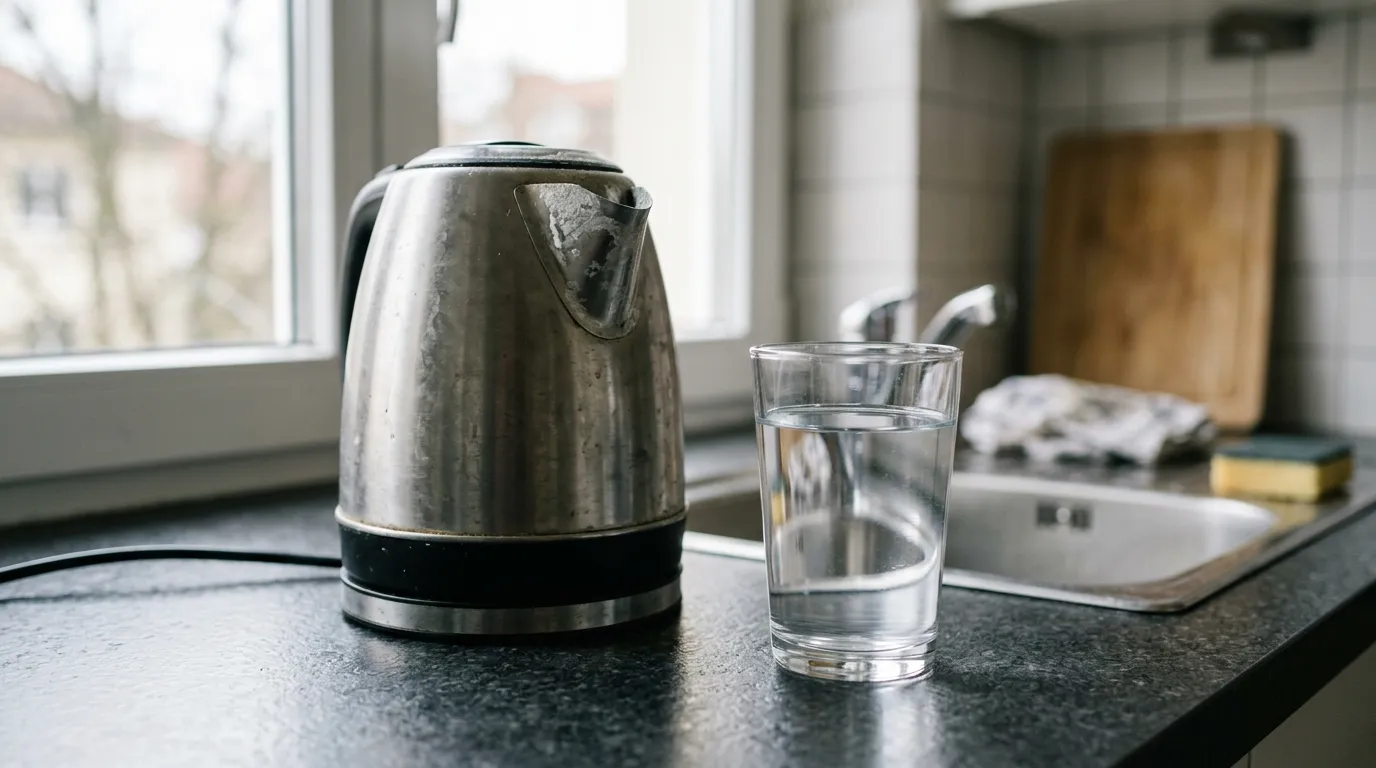
The honest answer is yes, but slowly and only partly, and not in the way most people expect. A water softener is built to prevent new limescale, not to strip out the scale you already have. It does chip away at old deposits over time, but that is a side effect of the chemistry, not its main job. If you were hoping it would clear a furred-up kettle or a chalky shower screen by next week, it will not.
This page explains exactly what soft water will and will not shift, how long the trade reckons it takes, and the places where old scale stays put no matter how long you wait.
What limescale actually is, and why that matters
Limescale is mostly calcium carbonate (CaCO3), a hard, insoluble white solid. It arrives in your home dissolved in hard water as calcium bicarbonate, which chemists call temporary hardness. When that water is heated, the bicarbonate breaks down and leaves behind solid calcium carbonate, which sticks to whatever hot surface is nearby. The chemistry is set out clearly by Compound Interest’s limescale explainer if you want the detail.
One fact does most of the explaining here: calcium carbonate becomes less soluble as temperature rises. That is why scale builds up on heating elements, kettle bases, immersion heaters and boiler heat exchangers, and barely touches the cold runs in between. Limescale is a hot-side problem. Keep that in mind, because it decides what a softener can clear and what it cannot.
If you are not sure how hard your supply even is, start with is my water hard or soft? and the background in hard water vs soft water.
How a softener removes old scale (and why it is so slow)
A softener works by ion exchange. Water passes through a resin bed that swaps the calcium and magnesium ions (the hardness) for sodium ions, then the resin is periodically rinsed clean with salt. The water leaving the tank has almost no calcium or magnesium in it.
That softened water is now “undersaturated” with respect to calcium carbonate. Put simply, it has room to carry calcium that it is not currently carrying, so when it runs over old scale it slowly pulls a little CaCO3 back into solution and washes it down the drain. Do that thousands of times and deposits gradually thin out.
This is the key difference between a softener and a descaler:
- A descaler (citric, acetic, lactic or formic acid) chemically reacts with calcium carbonate, turning it into a soluble salt plus carbon dioxide and water. It removes scale in hours.
- A softener only shifts a solubility balance. There is no reaction, just gentle, repeated dissolving. That is why it works in weeks and months, not hours.
So a softener is not an acid, not a cleaner, and not a quick fix. It is steady prevention that happens to undo some past damage as a bonus.
Realistic timescales
These are the figures the softener trade typically quotes (Harvey, Kinetico, Shires, Sidon and others all give similar numbers). Treat them as estimates for an average household, not guarantees. Your starting scale, water temperature and usage all move the dial.
- Around 2 weeks: you start to notice softer water, less scum, easier rinsing.
- About 4 to 6 weeks: kettles and small heating elements clear noticeably.
- Roughly 6 months: a hot water cylinder or a combi boiler’s heat exchanger sheds most of its scale, and efficiency improves as the insulating layer goes.
- Up to about 2 years: the rest of the hot pipework gradually clears.
An honest caveat the better firms (Harvey among them) will tell you: a 20-year-old cylinder that is badly furred may never fully clear. Where scale has built up for decades, some of the damage is permanent and a softener cannot reverse it. If anyone promises a softener will make an old, heavily scaled system as good as new, be sceptical.
Where old scale clears, and where it never will
The single most useful way to think about this is in three groups.
1. Hot surfaces that water is reheated against: these clear fastest. Immersion heaters, electric heating elements and boiler heat exchangers see soft water passed over them again and again, often reheated, so they shed scale in weeks to a few months. This is the good-news zone and the main reason a softener pays back on appliance life and efficiency.
2. Cold mains pipework: there was little there to begin with. Because scale forms on hot surfaces, your cold runs carry far less of it. The dramatic “two years to clear your pipes” claims really apply to hot pipework and cylinders, not the cold supply.
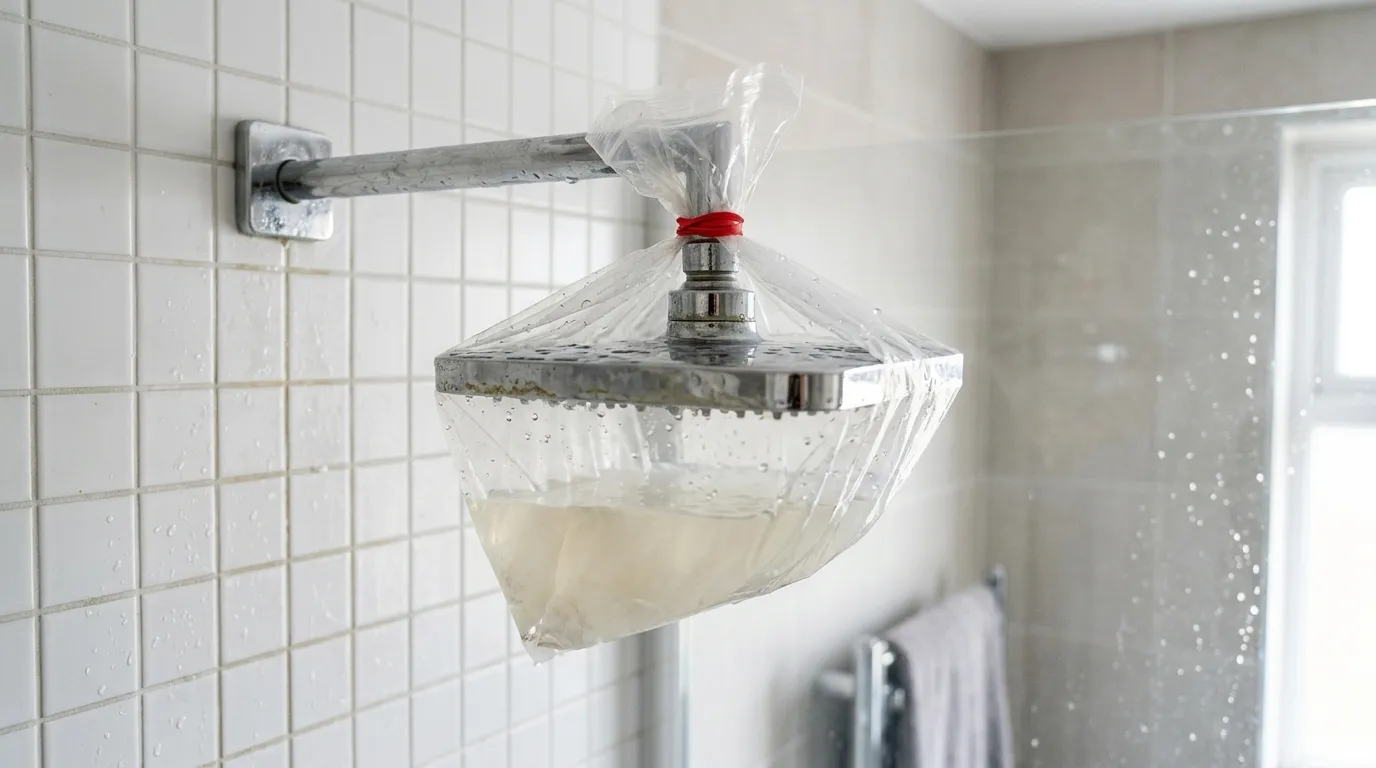
3. Evaporation zones: soft water will never fix these on its own. Shower heads, glass screens, taps, tile grout and tap aerators get scaled because water sits and evaporates there, leaving the mineral behind. Soft water never lingers long enough to dissolve those deposits, and it is not a cleaner. You still have to descale these by hand. See our guides on how to remove limescale from a shower head and how to descale a kettle in a hard water area.
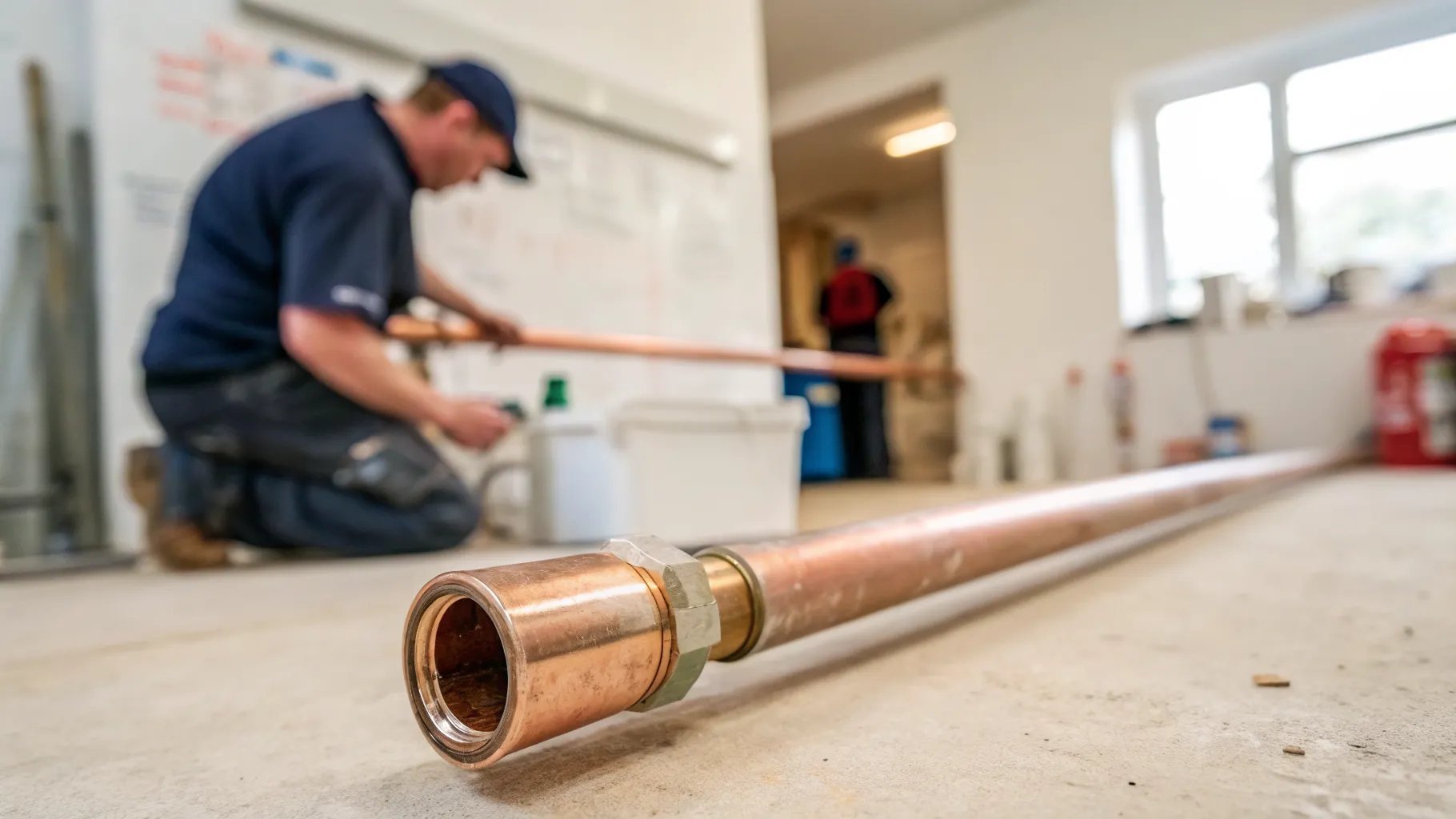
One genuine limit worth flagging: in old galvanised steel or iron pipe, scale is often bonded together with rust and corrosion products rather than being clean calcium carbonate. That mixed deposit does not simply re-dissolve in soft water the way pure scale does. If you have very old metal pipework, do not expect a softener to clean it out.
Will it clear my boiler, and is soft water safe for the heating system?
This is where most thin articles get it wrong, so it is worth being precise.
- Hot water (the taps and cylinder side): a softener protects this and helps clear existing scale. Fine.
- The central heating circuit (the sealed loop of radiators): do not fill this with softened water. Boiler manufacturers are clear on it. Worcester Bosch states the heating circuit should be filled with hard water plus a chemical inhibitor, with the filling loop taken from upstream of the softener (the bypass). Salt-softened water is discouraged in the sealed loop.
In practice a good installer plumbs in a bypass so your central heating fills with hard water while everything else gets soft water. If you are getting a softener fitted, confirm this is done.
The “salt rusts your boiler” myth. You may have heard an old line, sometimes attributed to British Gas, that softener salt corrodes boilers. As covered on MoneySavingExpert, a softener does not put salt into your hot or drinking water. The salt only regenerates the resin and is rinsed straight to the drain. What comes out of the tap is sodium ions in solution, not brine. The real caution is the central heating loop point above, not your hot water.
Drinking water, briefly. Standard UK advice is to keep one unsoftened cold tap, usually the kitchen, for drinking and cooking, because softened water carries a little added sodium. That is good practice regardless of limescale.
Should you descale first, or let the softener do it?
If something is already badly scaled, do not wait one or two years for soft water to crawl through it. Speed it up:
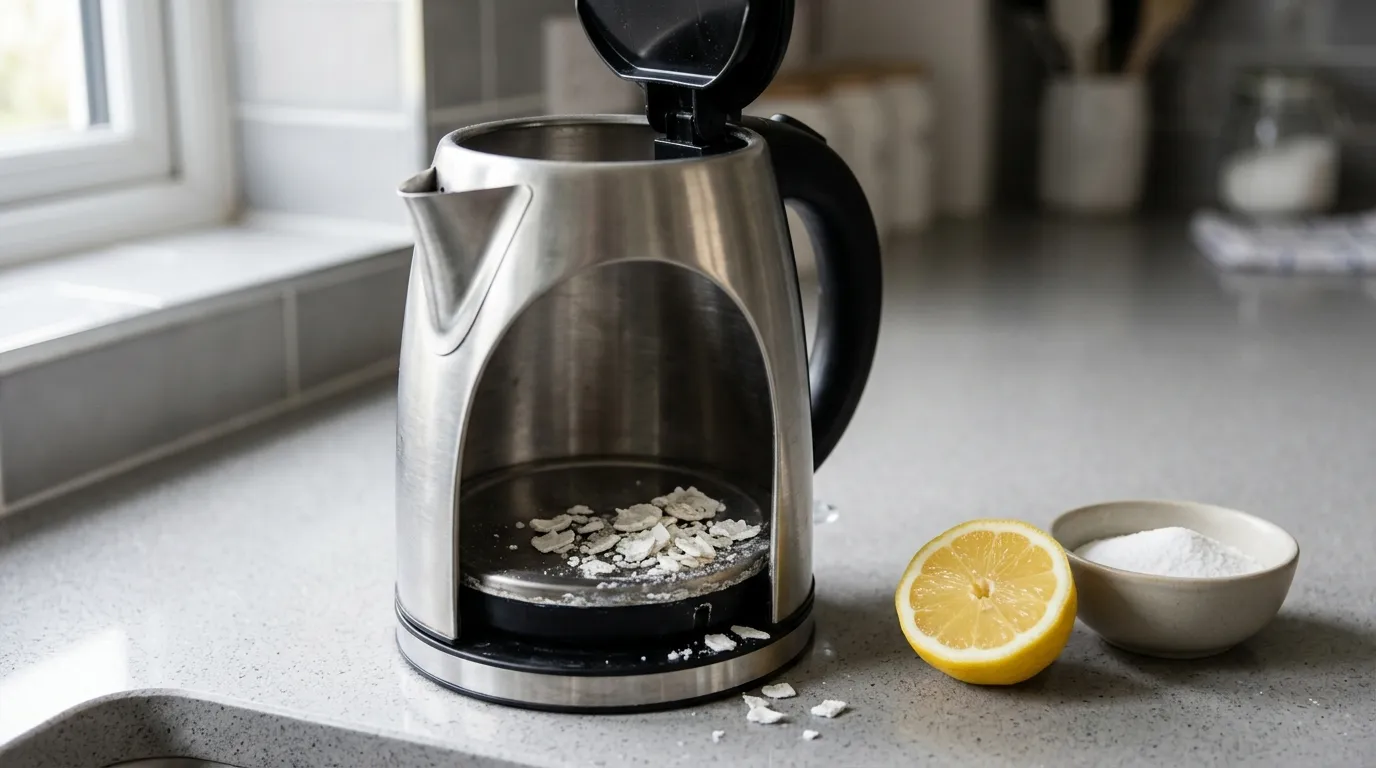
- Kettles and coffee machines: descale now with white vinegar or citric acid. There is no reason to wait.
- Shower heads, tap aerators and spouts: unscrew and soak in vinegar or citric acid. These evaporation zones are exactly what soft water cannot fix.
- Heavily scaled cylinders, heat exchangers or hot pipework: a professional power flush or chemical descale clears them in a day instead of months.
- Visible hard-water staining on glass and tiles: clean it at or before install. Kinetico make the same point: deal with existing stains manually rather than expecting the softener to dissolve them.
One thing that can happen, though it is not widely reported: as old scale loosens, the odd flake can shed and briefly clog a shower head, tap aerator or electric shower inlet. It is an easy clean, not a fault, and it settles down once the system has shed its loose deposits.
So is a softener worth it for existing limescale?
If your main goal is to rescue a badly furred old system overnight, no, a softener is the wrong tool and a descale or power flush is faster. If your goal is to stop the problem getting worse, protect your appliances, and gradually thin the scale on your hot side over the coming months, then yes, that is exactly what it does.
For most hard-water households the real payoff is forward-looking: no new scale on the heating element, longer appliance life and softer water everywhere. The slow clear-out of old deposits is a welcome bonus on top. If you are weighing up a purchase, compare options in our best water softener UK guide and check the water softener running costs before you commit.
Models commonly sold in the UK in this category include the Harvey and Culligan-Harvey TwinTec range, the Kinetico Premier Compact and the BWT WS555; Monarch units are also widely fitted. All are real, current products; specs and prices vary by retailer, so check current figures before buying.
Frequently asked questions
How long does a water softener take to remove existing limescale? The trade’s usual estimate is noticeable change in around two weeks, kettles and small elements clearing in four to six weeks, a cylinder or combi heat exchanger in about six months, and the rest of the hot pipework over up to two years. These are averages, not guarantees, and very old systems may never fully clear.
Will a softener clear limescale from my boiler or immersion heater? On the hot water side, yes, gradually. Immersion heaters and heating elements clear relatively quickly because soft water is reheated against them repeatedly. A combi heat exchanger or cylinder takes longer, around six months. The sealed central heating circuit is a separate matter and should not be filled with softened water.
Will a softener clean my shower head, glass screen and taps automatically? No. Those are evaporation zones where water dries and leaves minerals behind. Soft water never sits there long enough to dissolve them and is not a cleaner. You still need to descale these by hand with vinegar or citric acid.
Is softened water bad for my central heating or boiler? It is fine for hot water, but boiler makers, including Worcester Bosch, say the sealed heating loop should be filled with hard water plus an inhibitor, not softened water. A proper install uses a bypass so your radiators fill with hard water while taps and appliances get soft.
Does the salt in a softener rust my boiler? No. The salt only regenerates the resin and is rinsed to the drain. Your hot and drinking water gets sodium ions, not brine. The genuine caution is keeping softened water out of the sealed central heating circuit, not corrosion from salt in your taps.
Should I descale the worst bits first or just wait for the softener? Descale anything badly furred straight away. Kettles, coffee machines, shower heads and aerators respond to vinegar or citric acid in hours. For a heavily scaled cylinder or heating system, a professional descale or power flush beats waiting a year or two for soft water to do it slowly.